
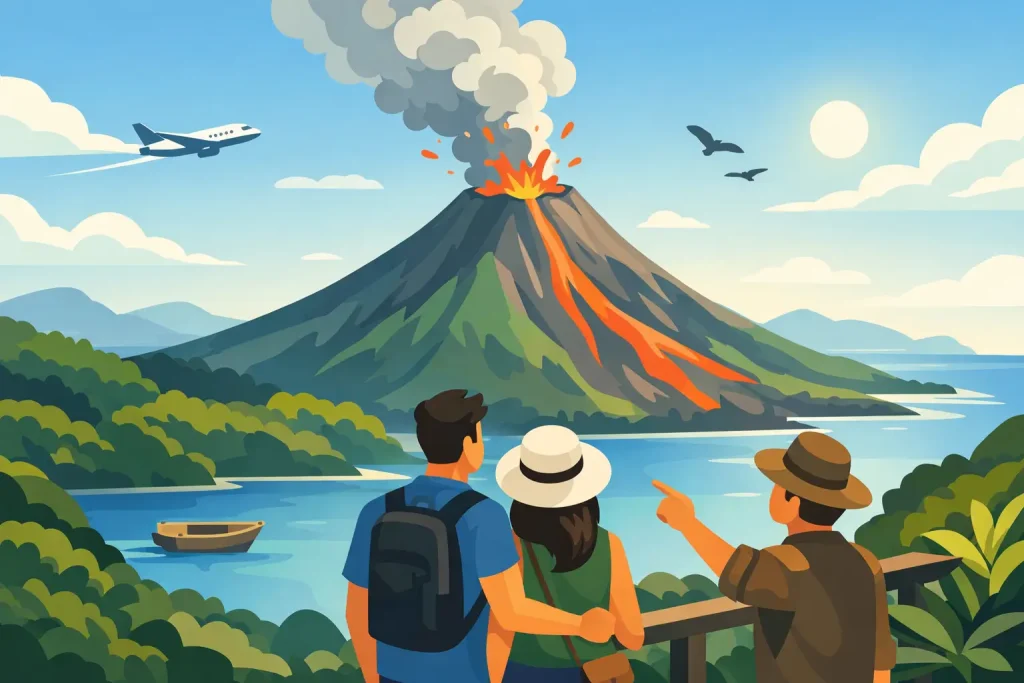
Standing at the rim of a volcano is one of those travel moments that feels bigger in person than it does in photos. If you are asking, can you visit a volcano, the short answer is yes. In El Salvador, you absolutely can – and for many travelers, it becomes the highlight of the trip because the experience is accessible, scenic, and surprisingly easy to plan with the right guide.
El Salvador is one of the best places in Central America to experience volcano landscapes without needing an extreme expedition. You can hike to crater viewpoints, drive through highland routes with dramatic views, and combine volcano visits with coffee towns, local food, or traditional villages in the same day. That mix is part of what makes volcano tours here so appealing for visitors who want something memorable but manageable.
Can You Visit a Volcano Safely?
Yes, but the real answer depends on which volcano you want to see, current conditions, and how you plan to go. Not every volcano is open for unrestricted access at all times. Weather, trail conditions, and volcanic activity can affect what is possible on a given day.
That is why guided travel makes such a difference. A local operator helps you avoid the guesswork around access, transportation, timing, and safety. For international visitors, especially those who want to make the most of limited vacation time, that support turns a complicated outing into a smooth day experience.
In practical terms, visiting a volcano safely usually means choosing established routes, going during daylight hours, wearing proper shoes, and checking conditions before departure. It also means knowing the difference between a volcano you can admire from a scenic viewpoint and one you can actively hike.
What Is It Like to Visit a Volcano in El Salvador?
The experience is more varied than many travelers expect. Some volcano visits are active hikes with forest trails, changing elevation, and broad summit views. Others are easier panoramic stops where you can enjoy the landscape without a demanding climb.
In El Salvador, volcano tourism is not only about raw geology. It is also about how these landscapes connect with daily life. Volcano regions often sit near coffee-growing areas, cool mountain towns, and scenic roads, so a single outing can feel layered rather than one-dimensional. You are not just going to see a crater. You are stepping into one of the country’s most defining landscapes.
That matters for travelers who want a day tour that feels complete. A volcano excursion can offer nature, culture, and local flavor without requiring days of logistics.
Which Volcano Visits Are Best for Travelers?
The best option depends on your travel style. Some visitors want a moderate hike and a strong sense of accomplishment. Others prefer a comfortable scenic experience with a few short walks and time for photos. Neither approach is better. It simply depends on your pace, fitness level, and schedule.
For cruise passengers or short-stay travelers, a well-organized volcano day trip is often the smartest choice because transportation timing is handled for you. That is especially helpful when you are working within a fixed port schedule and want to see a signature landscape without feeling rushed or uncertain.
For vacationers staying longer, volcano tours can be paired with coffee experiences, route-of-the-flowers style stops, or traditional towns. This is where local planning really adds value. Instead of trying to string together unfamiliar roads and distances on your own, you get a route that makes sense and feels relaxed.
Can You Visit a Volcano Without Hiking?
Yes, in many cases you can. This is one of the biggest misconceptions travelers have. People often assume a volcano visit means a long, difficult trek, but that is not always true.
Some volcano experiences are very hike-focused, while others are ideal for travelers who want beautiful views with less physical effort. You may still do some walking at viewpoints, parks, or crater areas, but it can be far more accessible than people expect. If mobility, heat, or time are concerns, it is worth choosing a tour built around scenic access instead of a summit challenge.
This is also why private or customized planning can be helpful. A good local provider can match the day to your comfort level rather than pushing a one-size-fits-all route.
What to Know Before You Go
A volcano tour is still an outdoor experience, so a little preparation makes the day better. Closed-toe shoes are usually the right choice, even for easier visits. Layers help because mountain conditions can change quickly, especially if the day starts warm at lower elevation and cools off higher up.
Sun protection matters more than many travelers expect. Even when the air feels mild, highland sun can be strong. Water is essential, and so is realistic timing. A volcano day is rarely something you want to cram between too many other activities.
It also helps to keep expectations flexible. Visibility can shift with weather, and some crater views are more dramatic on clear days than on misty ones. That does not mean the trip is disappointing. In many cases, the changing clouds and mountain atmosphere are part of what makes the landscape feel special.
Why Guided Volcano Tours Make the Experience Better
The main benefit of a guided volcano visit is not just transportation. It is confidence. When you are visiting a destination you do not know well, simple questions can slow everything down. Which route is best? How long does the drive really take? Is the trail open? Is this area appropriate for today’s conditions?
A dependable guide answers those questions before they become problems. That support is especially valuable in El Salvador, where a well-planned day can combine several standout experiences within a relatively compact area. Good local guidance helps you do more without making the day feel overpacked.
There is also the benefit of context. A volcano is impressive on its own, but it becomes more memorable when you understand how it shapes the landscape, local communities, and even agricultural life around it. That extra layer is often what turns a nice outing into a trip highlight.
For travelers arriving through Acajutla, organized excursions are often the easiest way to enjoy a volcano experience without the stress of arranging transportation and return timing independently. That kind of structure matters when every hour counts.
Is a Volcano Visit Right for Every Traveler?
Usually, yes – but the right format matters. If you love scenic landscapes, outdoor experiences, and a sense of place, a volcano visit is one of the strongest choices in El Salvador. If you prefer very low-effort sightseeing, you will want to choose an option with more driving and fewer trail demands. If you enjoy active travel, there are routes that feel more immersive and adventurous.
The trade-off is simple. More hiking often gives you a stronger sense of the terrain and wider views, while easier access offers comfort and flexibility. Families, couples, solo travelers, and small groups can all enjoy volcano outings, but the best version of the experience depends on matching the itinerary to the traveler.
That is where local expertise matters most. A dependable operator does not just take you somewhere scenic. They help shape the day around what you actually want from your time in El Salvador.
So, Can You Visit a Volcano and Enjoy It Fully?
Absolutely. For many visitors, volcanoes are the most rewarding way to experience El Salvador’s natural beauty because they combine dramatic views, manageable adventure, and easy pairing with other highlights. The key is choosing the right volcano, the right pace, and the right level of guidance for your trip.
With a well-planned excursion, what might seem intimidating from a distance becomes one of the easiest and most memorable days of your vacation. If a volcano is on your list, this is the kind of experience that rewards saying yes.